
How to Age Well: The Body I Thought I Knew at 54
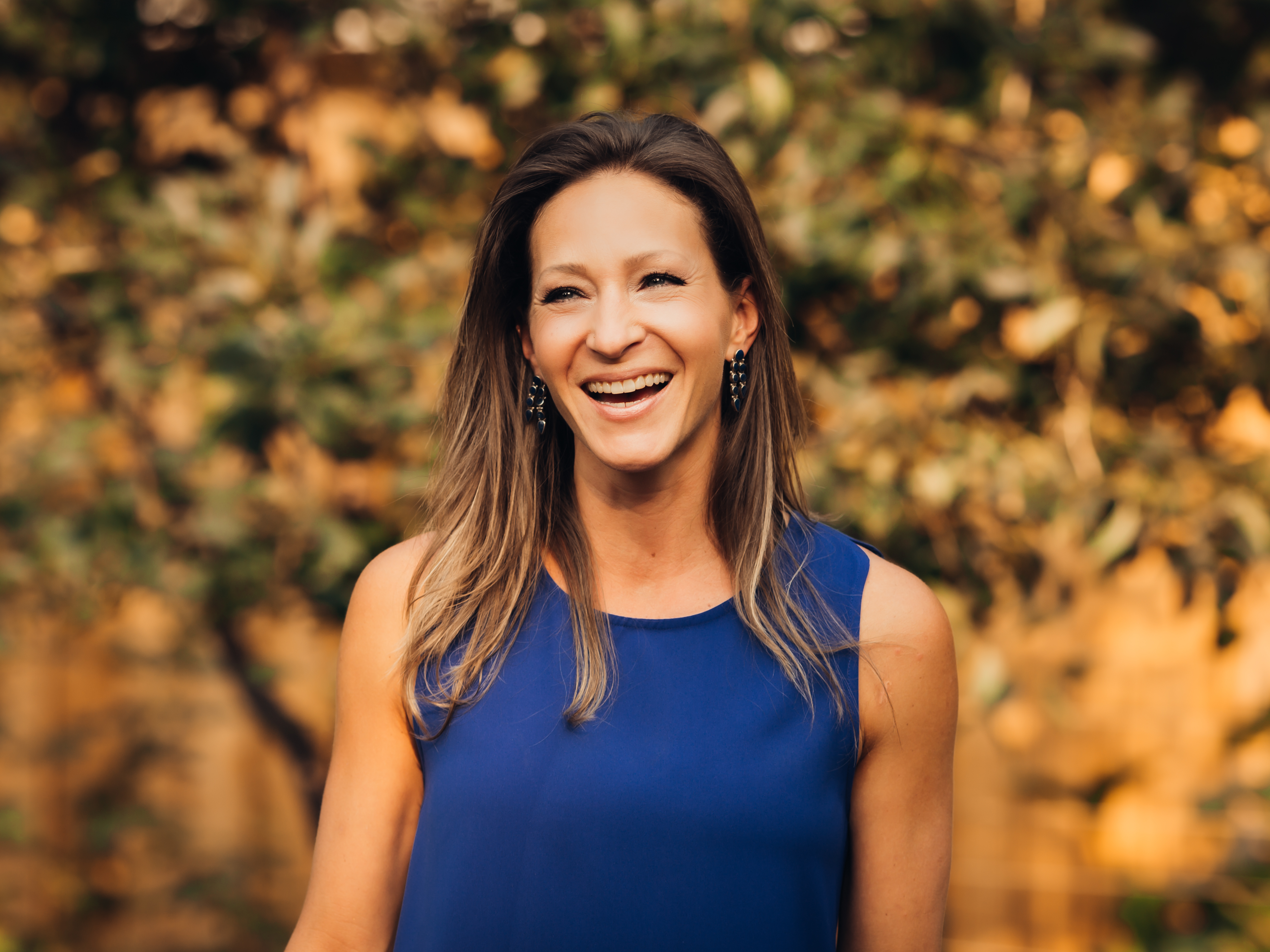

An unexpected photograph challenged what I believed about genetics, menopause, and the possibilities of growing older with strength.
I've spent most of my adult life believing I simply wasn't built to have muscular legs.
I've always been strong. I've trained consistently for years, lifted weights that surprised
people, and genuinely enjoyed challenging myself in the gym. But my legs? They
seemed determined to keep their muscle a secret. Straight up and down, with very little
visible definition, no matter how hard I worked.
Eventually, I accepted it…That's just how I'm built.
Then came perimenopause, and things became considerably more complicated. The
weight gain was frustrating. The cellulite and crepey skin weren't particularly welcome
either. I was doing the things I'd always done, yet my body seemed to be responding to
an entirely different set of rules.
I hated wearing shorts. That's a difficult admission from someone who spends her
professional life helping people understand and appreciate their bodies.
I've spent years studying the relationships between hormones, metabolism, nutrition,
and genetic expression. Apparently, knowing the science doesn't make you immune to
the emotional experience of watching your body change.
Then at 54, two years after menopause, I saw a photograph taken during a workout.
I was hanging from a pull-up bar, holding my legs straight toward the ceiling. It wasn't a
carefully arranged photograph… I was simply training at the gym.
When I saw the image, I stopped and I was shocked. There was muscle definition in my
legs…Actual, visible muscle. Crazy!
For decades, I'd believed my legs were simply shaped a certain way. Yet there I was,
looking at something I'd never really seen before. I hadn't suddenly discovered
discipline or started training harder. I'd been working hard for years. What had changed
was my understanding of the environment in which my body was operating.
Over time, I'd become more intentional about my hormones, cardiometabolic health,
nutrition, muscle, sleep, and genetic predispositions. I'd also incorporated individualized therapies, including BHRT and peptides, as part of a broader approach to my health.
I can't attribute what I saw to any one intervention. Bodies are complicated. But that
moment challenged an assumption I'd carried for much of my life and it made me
wonder how many other assumptions women carry about their bodies as they get older.
This is just my genetics.
This is what happens after menopause.
I guess this is what aging feels like.
Those explanations become so familiar that we stop questioning them. We begin
treating our circumstances as permanent limitations without fully exploring what's
happening beneath the surface.
For women who have spent decades building careers, raising families, and leading
organizations, that resignation can be particularly unsettling. We're accustomed to
finding solutions. We research, organize, plan, and adapt. We can manage a company
through a difficult quarter or solve a crisis before breakfast. Then when our own bodies
begin changing, we sometimes find ourselves completely at a loss.
The longer I've worked with women navigating midlife, the more convinced I've become that learning how to age well begins with changing this conversation.
The Unwritten Rules of Midlife
There's a strange disconnect between how we celebrate women's professional growth
and how we talk about their physical aging.
Experience makes us more valuable in the workplace. We develop judgment,
perspective, emotional intelligence, and the ability to recognize patterns that once
escaped us. Then, somewhere around midlife, we're encouraged to believe our bodies
are beginning an inevitable retreat.
We expect to gain weight, lose muscle, and experience declining energy. We joke about
forgetting why we walked into a room, while quietly wondering whether the changes
we're experiencing are the beginning of something more concerning.
Menopause is a natural biological transition, and aging brings genuine physiological
changes. But the variation in how women experience those changes is extraordinary.
I've worked with women frustrated because their familiar strategies have stopped
working. They're eating the same foods, exercising the same way, and maintaining the
same routines, yet their bodies respond differently.
Their cholesterol may have increased. Their glucose is creeping upward. Sleep has
become fragmented. They're noticing more abdominal fat despite little change in weight.They may feel less mentally sharp while carrying more responsibility than ever.
Since these changes often appear together, it's tempting to search for one explanation,
and hormones become the obvious suspect. Hormones certainly matter. During
perimenopause and menopause, changes in estrogen and other hormones can
influence sleep, body composition, cholesterol patterns, and glucose regulation. Some
women experience significant symptoms that deserve evaluation and appropriate
treatment.
Hormones are participating in a much larger biological conversation. Muscle influences
glucose metabolism. Sleep affects insulin sensitivity and appetite regulation. Physical
activity influences cardiovascular health. Nutrition provides materials for tissue
maintenance and repair. Stress can affect sleep, behavior, and physiological regulation.
I often think about how differently we approach complexity in our professional lives. If a business begins losing revenue, a thoughtful leader investigates. She looks at
operations, staffing, customer behavior, market conditions, and the decisions that led to the current situation. She wants to understand the system.
Our bodies deserve that same curiosity.
I've come to call this health intelligence, the ability to understand your physiology well
enough to recognize patterns, ask informed questions, and participate confidently in
decisions about your care.
It begins with challenging the assumption that what we're experiencing today
necessarily defines what we're capable of tomorrow.
The Biology Behind the Story
One reason I find epigenetics fascinating is that it offers a more nuanced understanding of how our biology develops over time.
For years, conversations about genetics sounded remarkably final. If cardiovascular
disease, diabetes, or cognitive decline appeared repeatedly in a family, it was easy to
imagine the same future awaiting everyone who inherited those genes.
We now understand that the relationship between genes, environment, and health is
much more complex. Our DNA contains genetic instructions. Epigenetic mechanisms
help regulate how those instructions are used, influencing gene activity without
changing the underlying DNA sequence.
Nutrition, physical activity, smoking, sleep, and environmental exposures can interact
with biological processes, including epigenetic mechanisms.
This doesn't give us unlimited control over our genes or guarantee that healthy choices
will prevent disease. Some inherited risks are substantial. Illness can develop in people
who have taken excellent care of themselves.
Our genetic inheritance is only one part of the story.
I have a family history that includes conditions I take seriously, and I carry the APOE4
genetic variant associated with an increased risk of Alzheimer's disease.
That knowledge influences the questions I ask about my health. I'm particularly
interested in the relationship between metabolic and cardiovascular health and longterm cognitive function. I pay attention to blood pressure, glucose regulation, lipid
patterns, physical activity, and other factors that may influence my future health.
Information allows me to be proactive.
I can work with qualified professionals, understand what the evidence supports, and
make thoughtful choices based on my circumstances.
Some of the most significant changes affecting long-term health develop quietly.
Cardiometabolic health is a perfect example. It encompasses cardiovascular function,
blood glucose regulation, insulin sensitivity, blood lipids, and related metabolic
processes. These influence our risk of cardiovascular disease, type 2 diabetes, and
other conditions affecting quality of life.
You can feel reasonably well while some of these markers are changing. That's why I
encourage women to become familiar with their health information. Blood pressure,
glucose, A1c, triglycerides, and cholesterol provide useful information. In some
circumstances, ApoB can help clarify cardiovascular risk.
You can feel reasonably well while some of these markers are changing. That's why I encourage women to become familiar with their health information.
Each result needs interpretation in context. Medical history, family history, medications,
symptoms, and changes over time contribute to the picture. I want women to
understand why a clinician recommends a treatment, what alternatives exist, and which contributing factors can be addressed alongside medical care. Understanding your health changes the quality of the decisions you're able to make.
What Strength Makes Possible
When I saw that photograph of my legs, the visible definition surprised me. But the
strength underneath it had been developing for years.
Muscle is metabolically active tissue. It plays an important role in glucose regulation and insulin sensitivity while supporting movement, balance, and physical independence. As we age, muscle mass, strength, and power can decline, particularly when we're not regularly challenging our bodies.
Consider the ability to carry a suitcase through an airport, climb stairs, recover your
balance when you stumble, or get down on the floor and back up without assistance.
These abilities are easy to take for granted until they become difficult.
I remember working with a woman who was excited about her progress lifting weights.
She'd worked her way up to eight-pound dumbbells and was proud of herself. Then she
told me she didn't want to go heavier. She was afraid she'd become bulky.
I hear that concern frequently, and it reveals how deeply we've been conditioned to think about exercise primarily in terms of appearance. We spend years trying to make our bodies smaller while giving relatively little thought to the strength we'll need later.
Resistance training offers something more valuable than a particular silhouette. When
appropriately designed and progressively challenging, it helps maintain muscle and
strength, supports bone health, and improves physical function.
I love lifting heavy weights. I enjoy seeing what my body can do, and I find satisfaction
in becoming stronger. What excites me most is imagining what that strength might allow me to do twenty or thirty years from now.
Will I still hike into the mountains? Carry my own equipment? Garden for hours? Play
with my dogs? Get myself off the ground if I fall?
Those questions motivate me and they change the meaning of fitness.
For years, women have evaluated their bodies by a number on the scale or the size
printed inside their clothes. What happens when we begin evaluating our physical
health through capability? That perspective also changes how we think about nutrition.
As a functional nutritionist, I care deeply about food quality. But I'm concerned about
how often women approach nutrition through restriction. They've spent decades
counting calories, eliminating foods, and trying to occupy less space. Then they reach
midlife, when preserving muscle becomes especially important, and continue believing
that eating less is the answer to every physical change.
A body that's training, repairing tissue, maintaining bone, and supporting a demanding
life requires adequate nourishment.
Protein provides amino acids necessary for muscle maintenance and repair. Fiber-rich
foods support digestive and metabolic health. Colorful vegetables, fruits, and other
nutrient-dense foods contribute vitamins, minerals, and beneficial plant compounds.
I love food. I love growing it, preparing it, and sharing it. I want women to enjoy that
abundance while learning how to nourish their individual bodies.
A demanding career doesn't eliminate the need for sleep. A full calendar doesn't change the body's requirement for recovery. Being capable of pushing through exhaustion doesn't mean doing so indefinitely is without consequences.
Sometimes a meaningful health decision is stepping away from the computer, enjoying
a meal without distractions, or making room for rest.
Modern medicine also offers additional possibilities worth discussing.
I've personally explored individualized approaches that include BHRT and peptides,
alongside my longstanding attention to nutrition, training, sleep, and metabolic health. I find advances in this area fascinating, particularly for women navigating menopause.
The more I learn about the body, the more respect I have for its complexity, and the
individuality of care.
The Life Beyond the Photo
My husband and I spent a long weekend on Colorado's Grand Mesa with family, friends, and our dogs. High above Colorado's Western Slope, Grand Mesa is a landscape of forests, lakes, and wide-open skies…pure heaven. We drove farther into the mountains than most vehicles could comfortably travel and eventually found ourselves beside a beautiful lake. Amazingly, we had the place to ourselves.
We spent our days fishing, paddleboarding, exploring, cooking, laughing, and watching
the dogs play. The lake was surrounded by trees, the sky was impossibly blue, and
there was no cell reception. For a few days, the constant noise of ordinary life
disappeared.
No meetings. No notifications. No urgent messages waiting for a response. Just the
people I love, the beauty of God's creation, and the freedom to enjoy being there.
I remember feeling deeply grateful.
Grateful for the relationships, the quiet, and the opportunity to step away from
responsibilities and experience life. And grateful that my body allowed me to participate.I could move through the mountains, paddleboard on the lake, carry what I needed, and enjoy the freedom of being outdoors. Those moments have become increasingly meaningful as I've gotten older.
At 54, I know life doesn't come with guarantees. People face serious illness despite
doing everything they can to care for themselves. Physical ability can change
unexpectedly, and circumstances sometimes ask us to redefine what living fully looks
like.
I also know the years ahead hold possibilities I haven't imagined yet. There are places I
want to explore, people I want to serve, things I want to learn, and experiences I hope to share with my husband, family, and friends. I want to remain mentally engaged in my work, continue mentoring others, and be present for the people God has placed in my life.
We hear so much about longevity, and I understand the fascination. Medical advances
have given us remarkable opportunities to understand and address conditions that once seemed beyond our reach.
But I wonder whether we're asking enough questions about the quality of the years
we're trying to extend.
Will we have the physical capacity to pursue experiences that bring us joy? The
cognitive health to remain engaged? The relationships that make life meaningful?
The answers differ for every woman.
One woman may envision leading a company into her seventies. Another dreams of
traveling with grandchildren. Someone else may want to volunteer, create art, return to
school, or spend mornings in the garden.
There's something motivating about identifying what matters to you and allowing that
vision to influence how you care for yourself today. I think this is particularly important
for professional women. We've spent so much of our lives learning to perform, achieve,
produce, and carry responsibility. We're accustomed to measuring progress through
accomplishments.
Our health can become another project, another set of numbers to optimize, another
area where we feel pressure to succeed. Yet our bodies are the means through which
we experience the lives we're working so hard to build.
I believe God created our bodies with remarkable intelligence and entrusted us with the responsibility to care for them. That stewardship matters to me because I recognize the extraordinary gift of being alive.
Which brings me back to that photograph.
At first, I saw something I'd wanted for years: visible muscle definition in my legs. I was
so excited! I'll admit, after all those years of thinking my legs were destined to look a
certain way, it felt wonderful.
But the more I thought about it, the more meaningful the photograph became. It
reminded me how easily we accept conclusions about ourselves based on incomplete
information.
The photograph didn't tell me why my legs looked different. It didn't establish that I'd
changed my genetic expression or prove that any particular treatment had worked.
What it did was challenge a belief. When I imagine myself at 70 or 80, I don't picture a
woman studying her legs in the mirror. I picture a woman standing beside a mountain
lake.
Maybe she's just finished a hike. Maybe she's watching her family splash in the water.
Maybe she's laughing with her husband, surrounded by friends and dogs, feeling the
sun on her face.
I hope she's strong enough to carry her own gear, curious enough to keep exploring,
and grateful enough to appreciate the moment. When I think about the woman I'm
becoming, I find myself asking a question I hope you'll consider, too.
What do you want your health to make possible ten, twenty, or thirty years from
now?
Imagine the places you want to go, the people you want to spend time with, and the
experiences you hope are still ahead.
Then consider what you can do today to support that future.
Perhaps it's learning more about your metabolic health, building strength, nourishing
yourself more consistently, getting help with persistent symptoms, or making room for
recovery. Small, intentional choices matter. So does the willingness to keep learning as
your body changes.
At Taste Life Nutrition, there's a truth I return to again and again:
Health isn't the goal. Health is what gives us the capacity to fully live.
When I think about the years ahead, that's what I want most. More opportunities to love well, lead well, serve well, and experience this extraordinary life God has entrusted to me.
Health isn't the goal. Health is what gives us the capacity to fully live.
More time in the mountains. More dive trips. More laughter with my husband and the
people I love. More snuggling with my dogs. More time in the garden.
As for the muscle definition in my legs? I'm enjoying that, too.
But what excites me most is everything those legs might still carry me toward.
That’s how I want to fully Taste Life.

Meet the expert:
Nikki Burnett believes that everything changes when you begin to understand your body instead of fighting against it. Through Taste Life Nutrition, she helps people connect the dots, discover what's possible, and move from confusion to clarity, from uncertainty to confidence, and from simply getting by to truly thriving. She loves helping people recognize that their body is on their side, their choices matter, and greater understanding creates the capacity to fully Taste Life.
Dive Deeper Into Her Wealth of Knowledge:
Follow:


